

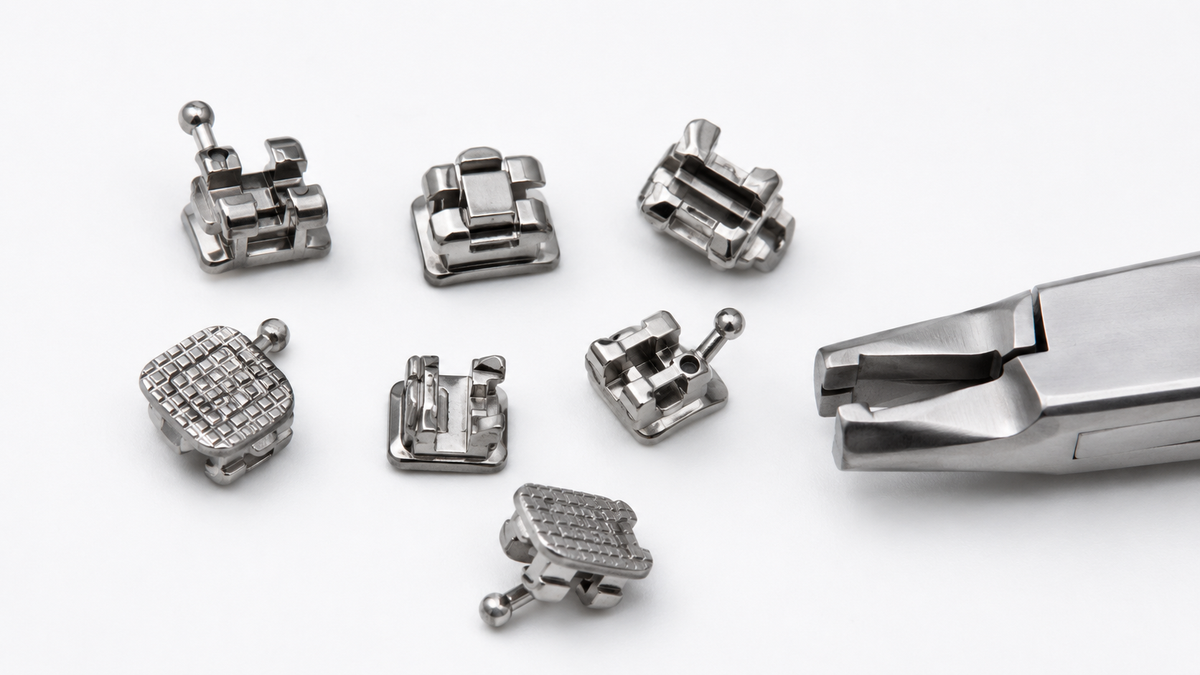
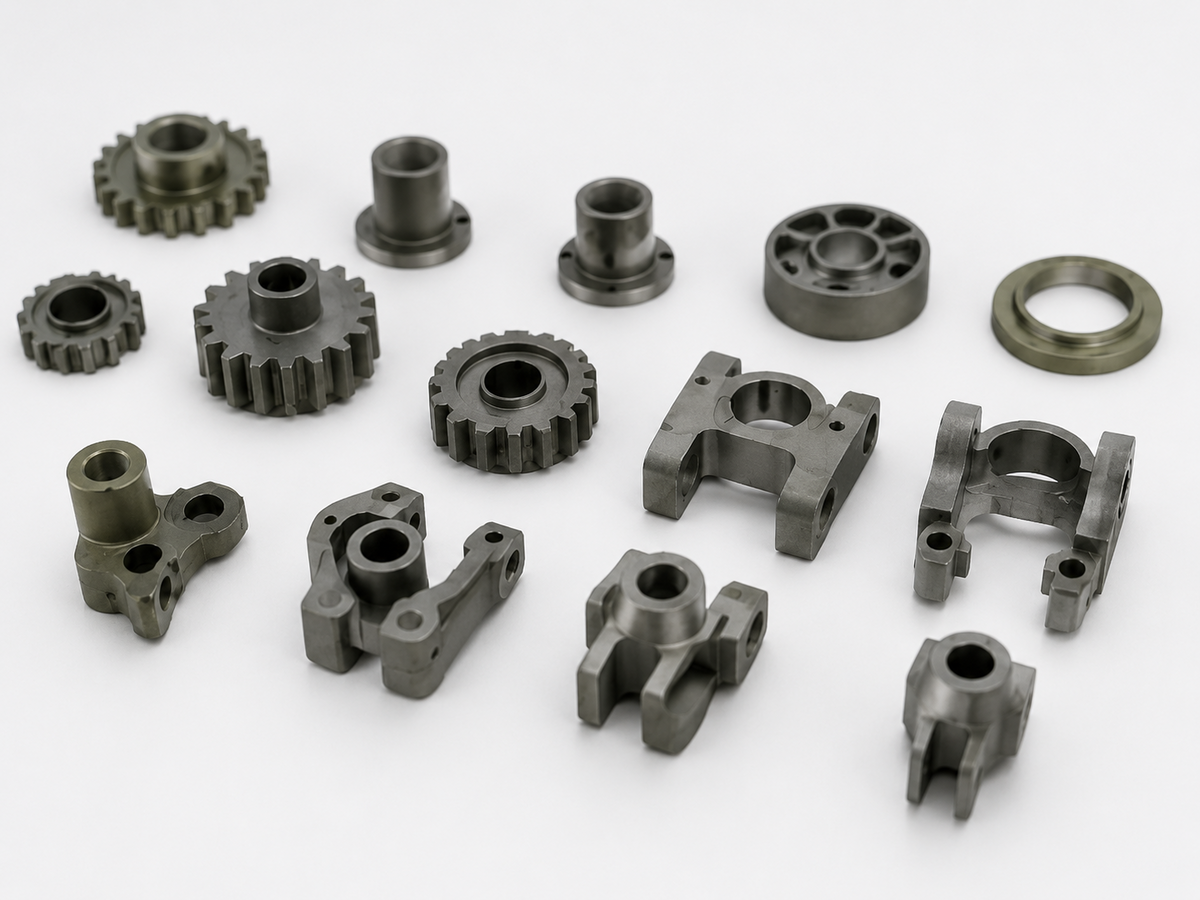
Metal injection molding medical parts solve a problem every device engineer knows: surgical instruments keep getting smaller and more complex, while CNC machining gets more expensive. MIM produces miniature steel and titanium components at 95–99% density with micron-level tolerances — in the volumes where machining stops making economic sense. This guide covers the process parameters, materials, and supplier criteria for medical MIM, with links to XY-GLOBAL's medical MIM solutions where you can go deeper on each topic.

Why MIM Fits Medical Device Manufacturing
MIM combines metal powder with a binder, injection-molds the feedstock, removes the binder, and sinters the part to near-full density. The full MIM process flow runs in four stages, and for medical work four parameters matter most:
- Feature scale: parts from 0.1 g with wall thickness down to 0.3 mm — see XY-GLOBAL's micro-MIM capabilities for small-part examples
- Relative density: 95–99% after sintering, uniform microstructure, no casting porosity
- Tolerance: typically ±0.3–0.5%; critical functional dimensions controlled to the micron level
- Surface finish: as-sintered Ra 0.8–1.6 µm, polishable to mirror finish for contact surfaces
Because the mold defines geometry, every part in a validated batch behaves identically — a regulatory necessity for surgical instruments, not a nice-to-have.
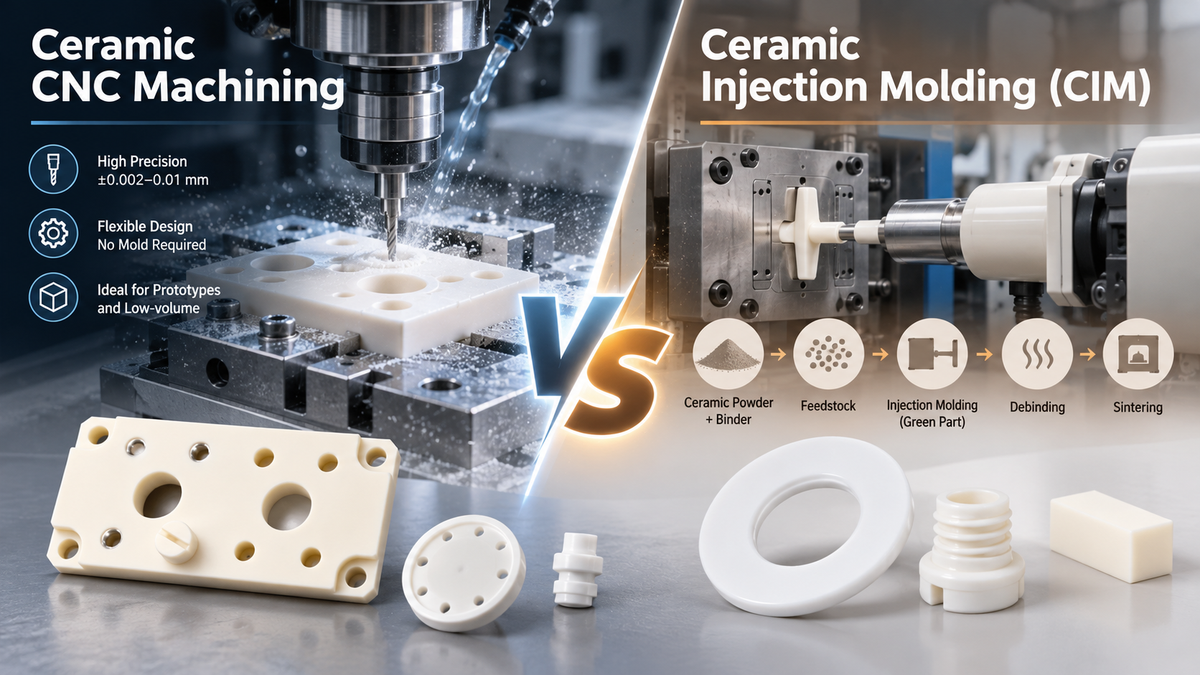
MIM vs. CNC Machining for Medical Components
|
Factor |
MIM |
CNC Machining |
|
Unit cost at 10,000+ pcs |
Low |
High |
|
Complex 3D geometry (undercuts, internal features) |
Formed in one shot |
Multiple setups |
|
Material utilization |
95%+ |
30–50% |
|
Batch consistency |
Mold-defined |
Fixture-dependent |
|
Prototype lead time |
Tooling required (weeks) |
Days |
|
Best use |
Volume production |
Prototypes, low volumes |
The workflow many medical OEMs follow: CNC for design verification, then transfer to MIM once the design freezes. Unit cost drops sharply at scale while geometry stays identical.

Medical-Grade Materials for MIM
|
Material |
Relative Density |
Why It's Used |
Typical Medical Parts |
|
316L stainless steel |
96–99% |
Corrosion resistance, autoclave-proof, proven biocompatibility |
Laparoscopic forceps, shafts, chucks |
|
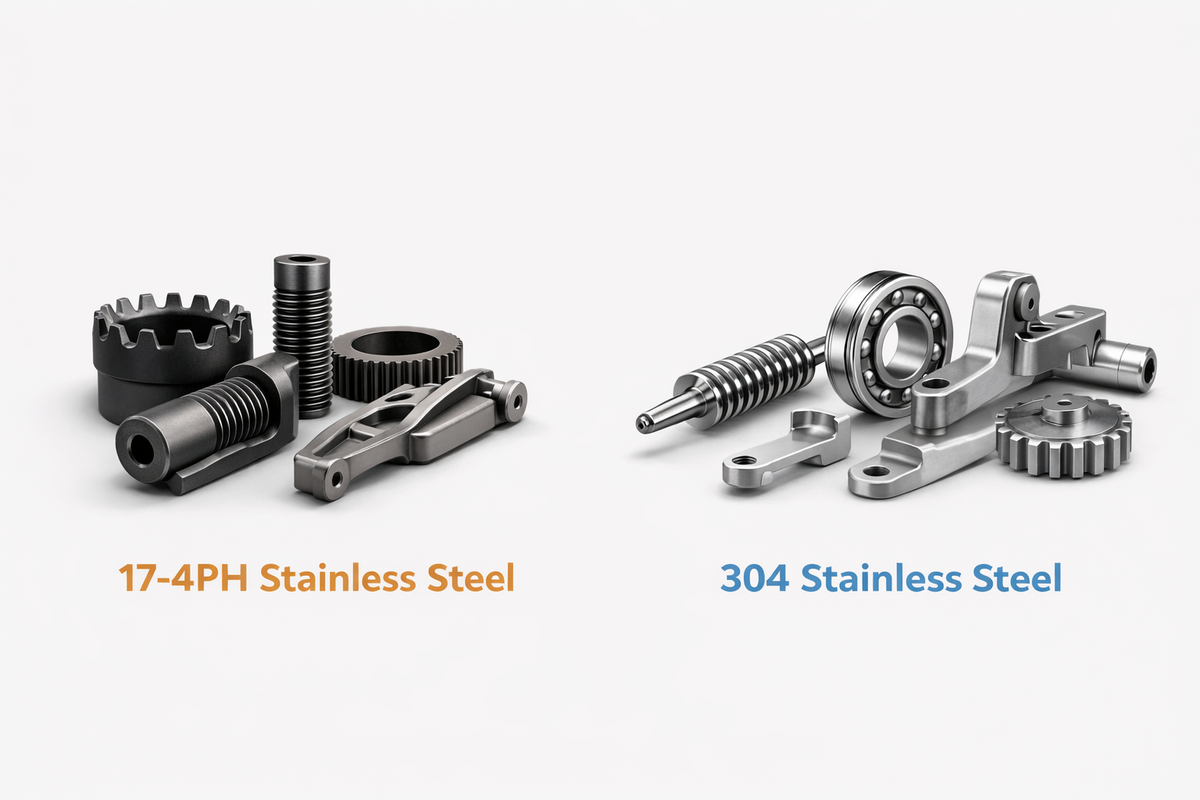
17-4PH stainless steel |
96–99% |
High strength after heat treatment |
Instrument joints, load-bearing links |
|
Titanium (Ti-6Al-4V and proprietary Ti feedstocks) |
95–98% |
Lightweight, MRI-compatible, biocompatible |
Dental parts, minimally invasive tools |
Detailed property data is available on the MIM stainless steel materials and titanium metal injection molding (TiMIM) pages. Titanium feedstock technology — which XY-GLOBAL developed in-house in 2017 — is still offered by only a handful of MIM suppliers worldwide.
Typical Medical MIM Applications
- Laparoscopic instruments: forceps tips, chuck bodies, rigid shaft components in 316L — see the laparoscopic chuck case and 316L rigid shaft/tube
- Endoscopic and biopsy tools: jaws, ratchets, and micro mechanisms under 10 g
- Dental instruments: titanium tips and implant components
- Drug delivery and surgical robotics: miniature structural parts with repeatable geometry
Browse more examples in the medical industry collection or the broader medical parts produced by MIM/CIM catalog.

Supplier Checklist: What to Verify Before Committing
- ISO 13485 certification — non-negotiable for medical components; it governs process validation and traceability (why it matters at XY-GLOBAL)
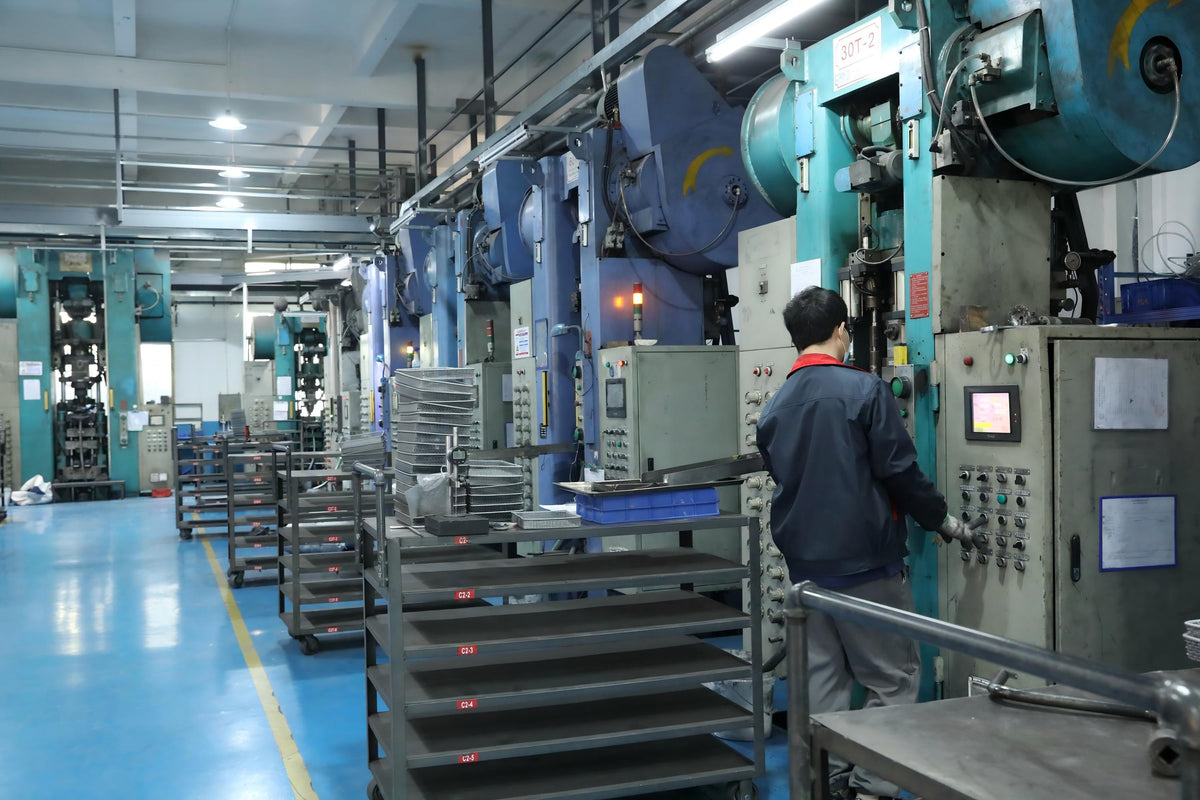
- In-house process chain — injection, debinding, sintering, and 5-axis CNC finishing under one roof keep tolerances and lead times controlled (factory tour)
- DFM and mold-flow analysis — design risks solved before tooling, not after failed samples (DFM service details)
- Density documentation — Archimedes-method reports per batch; pressure testing for fluid-path parts per your protocol
- Free prototyping — validates material and geometry decisions with zero tooling commitment (free MIM prototype program)
How XY-GLOBAL Supports Medical MIM Projects
XY-GLOBAL, a Shenzhen-based manufacturer founded in 2010, checks every box above: ISO 9001:2015 and ISO 13485:2016 certified, a 5,000 m² factory with 50% engineering staff, and in-house injection, debinding, sintering, and 5-axis CNC workshops producing 20,000+ parts per month across 300+ projects. Partnerships with Foxconn and BYD confirm the quality system holds beyond medical — in automotive and consumer-electronics audits as well.
Submit your drawing (STEP, IGS, or PDF) through the contact page to receive a free prototype plus a DFM report — the fastest way to test whether MIM fits your instrument design. Common questions are answered in the MIM FAQ.
Conclusion
For medical parts that are small, complex, and needed in volume, metal injection molding delivers CNC-level geometry at a fraction of the unit cost — provided the supplier can prove density, tolerance, and batch consistency. Verify ISO 13485, demand DFM upfront, and start with a free prototype before committing to tooling.
공유:
How to Choose a Sintered Metal Company: Key Process Parameters and Comparison Guide